

Introduction
Anyone who spends time around game development forums or gaming tech blogs has probably come across the name Embedtree at some point. Embedtree Gam es Software: A Complete Guide to This Gaming PlatformIt keeps showing up in conversations about embedtree games software, and for good reason — the platform sits at an interesting intersection of game creation, distribution, and player experience. This article walks through what the platform is, how it fits into the broader world of gaming technology, and what to actually expect if you’re considering it for a project or just curious about how it works.
We’ll go section by section, keeping things simple and grounded rather than piling on marketing language. By the end, you should have a clear picture of where this tool fits among other gaming software solutions on the market today.
What Is Embedtree Games Software
At its core, this is a gaming application software built around one central idea: making it easier to build, host, and deliver playable games without forcing developers to reinvent basic infrastructure every time. Embedtree Games Software: A Complete Guide to This Gaming Platform Instead of writing a new engine or backend from scratch, developers can lean on ready-made building blocks.
It’s positioned as an embedtree gaming platform for small studios, solo developers, and businesses that want to add games to their own websites or apps. Embedtree Games Software: A Complete Guide to This Gaming PlatformRather than being a single game, think of it as the scaffolding that sits underneath many games at once.
How Does Embedtree Games Software Work
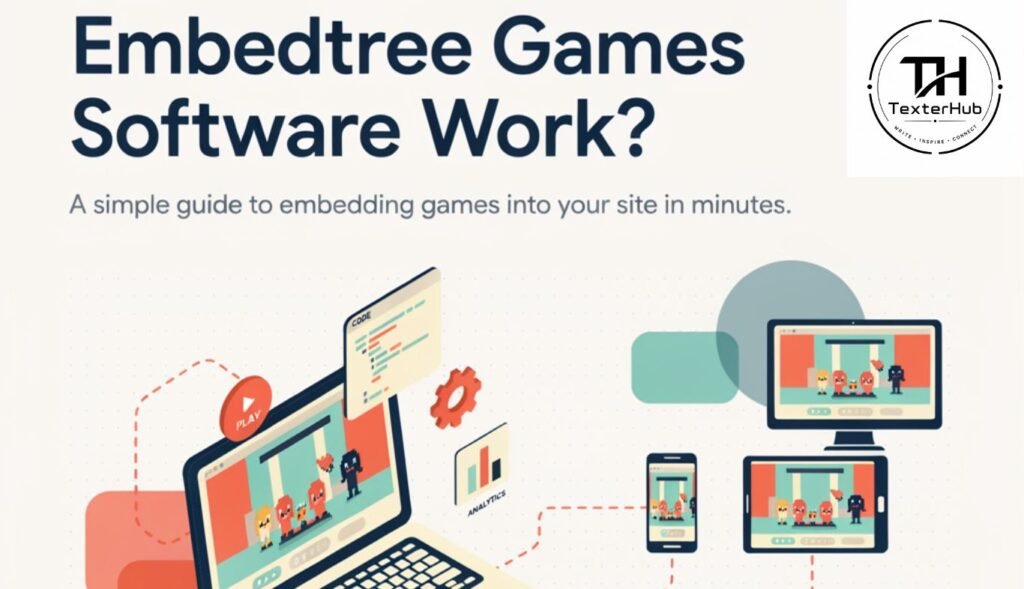
The basic workflow is fairly straightforward. Embedtree Games Software: A Complete Guide to This Gaming PlatformA developer uploads or builds a game using the platform’s tools, connects it to the necessary APIs, and then embeds or publishes it wherever it needs to live — a website, an app, or a standalone launcher.
Behind the scenes, the system handles a lot of the repetitive technical work: asset loading, session handling, and basic game integration tools that connect the game logic to whatever platform is hosting it. This is what separates a modern digital gaming platform from older, more manual approaches to shipping games.
Embedtree Games Software Features
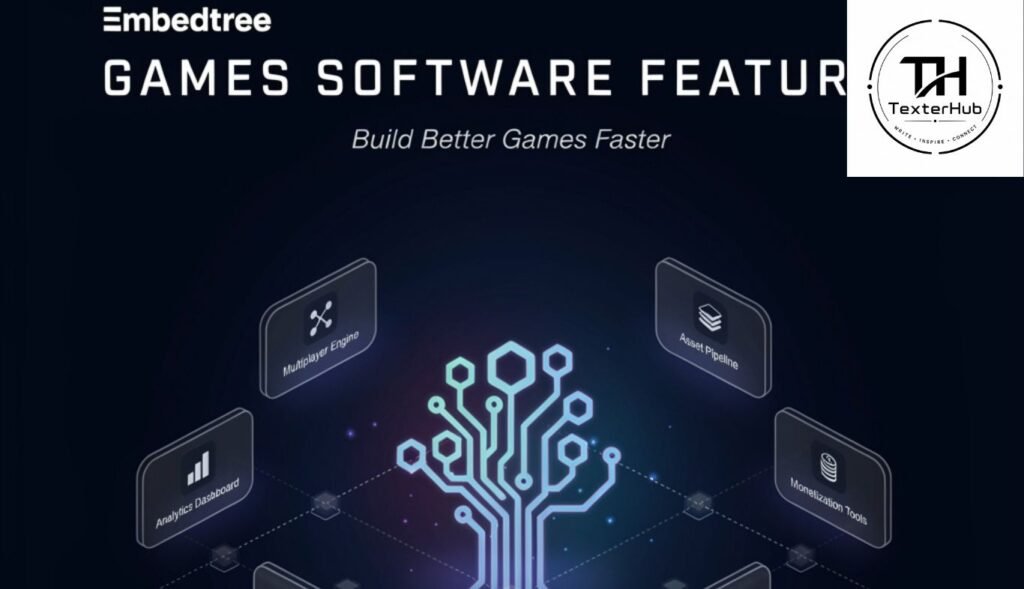
The feature set leans toward practicality rather than flash. Embedtree Games Software: A Complete Guide to This Gaming Platform Drag-and-drop style tools reduce the amount of manual coding needed for common tasks, which matters a lot for smaller teams without a dedicated engineering department.
There’s also a library of prebuilt templates and assets, which functions as a shortcut for prototyping. Embedtree Games Software: A Complete Guide to This Gaming Platform Combined with basic game analytics tools, teams can see how players are actually interacting with a title before investing more time polishing it.
Embedtree Games Software Overview
Zooming out, the platform reads less like a single product and more like an gaming ecosystem — a set of connected services (development, hosting, analytics, and distribution) that developers can pick and choose from depending on their project size.
This modular approach is common among newer game management software tools, since not every developer needs every feature. Embedtree Games Software: A Complete Guide to This Gaming Platform Some just want a game launcher; others want the full pipeline from prototype to published release.
Embedtree Games Software Platform
As a gaming software platform, the environment is built to host multiple projects side by side. Embedtree Games Software: A Complete Guide to This Gaming Platform A studio working on more than one title at a time can keep everything under one account rather than juggling separate tools for each game.
This is one of the more practical selling points for small teams: less time spent managing infrastructure, more time spent actually building. It’s a fairly common pattern across modern game development software.
Embedtree Games Software Technology
Underneath the interface, the platform relies on standard modern web and cloud gaming software approaches — meaning games can, in theory, run without requiring heavy local installs, and updates can roll out centrally rather than needing users to manually reinstall anything.
This kind of embedded gaming technology setup also supports incremental updates, so small fixes don’t require redownloading an entire game package each time.
Embedtree Games Software Benefits
The most commonly cited benefit is time saved. Embedtree Games Software: A Complete Guide to This Gaming Platform Developers who would otherwise spend weeks building backend infrastructure can instead focus on gameplay and design, since the platform handles a good chunk of the plumbing.
For businesses embedding games into their own apps or sites, the appeal is engagement. Embedtree Games Software: A Complete Guide to This Gaming Platform Adding playable content through an interactive gaming platform tends to keep users on a page longer than static content alone.
Embedtree Games Software Uses
Use cases span a few different groups. Embedtree Games Software: A Complete Guide to This Gaming Platform Independent developers use it to prototype and publish smaller titles without building a full studio pipeline from the ground up.
Businesses outside of traditional gaming — media sites, loyalty apps, marketing campaigns — use it to bolt on lightweight games for engagement purposes, treating it less like a game engine and more like a gaming resource platform they plug into existing products.
Embedtree Games Software for Developers
For developers specifically, the pitch is reduced friction. Embedtree Games Software: A Complete Guide to This Gaming Platform Instead of stitching together separate tools for asset management, player data, and deployment, everything sits inside one system.
This matters most for smaller teams that don’t have a dedicated backend engineer. Embedtree Games Software: A Complete Guide to This Gaming Platform Access to shared software for game developers resources means less reinventing the wheel on every new project.
Embedtree Games Software Compatibility
Compatibility is one of the more important practical questions. Embedtree Games Software: A Complete Guide to This Gaming Platform The platform is generally described as supporting cross-platform gaming, meaning a title built once can, with some adjustment, reach both desktop and mobile audiences.
That said, compatibility claims from any gaming applications vendor are worth testing directly against your own project rather than taken purely at face value, since real-world performance varies by device and game complexity.
Embedtree Games Software Interface
The interface leans toward accessibility. Embedtree Games Software: A Complete Guide to This Gaming Platform Menus and tools are laid out to be usable by people without a heavy coding background, which is a common design choice among online gaming tools aimed at smaller studios.
For more advanced developers, there’s usually a way to dig into more granular settings, but the default experience is built around getting something functional up quickly.
Embedtree Games Software Tools
The toolset includes the basics you’d expect from a modern game engine tools offering: asset libraries, scripting shortcuts, and testing environments to try out mechanics before a full release.
Alongside these are gaming utilities for things like player accounts, save data, and basic matchmaking for titles that include multiplayer elements.
Embedtree Games Software Performance
Performance is always going to depend heavily on the specific game and the device it’s running on. Lighter, casual titles tend to run smoothly across a wide range of hardware, while more graphically demanding projects need more careful optimization.
The platform includes some built-in game optimization software features aimed at reducing load times and stabilizing frame rates, though results will still vary project to project.
Embedtree Games Software Gaming Experience
From a player’s perspective, the goal is a smooth, uninterrupted gaming experience with minimal loading friction between menus and gameplay. Embedtree Games Software: A Complete Guide to This Gaming Platform Whether that goal is consistently met depends a lot on how well the specific game was built on top of the platform.
Well-optimized titles feel snappy and responsive; poorly optimized ones will feel exactly like any poorly optimized game on any other platform. Embedtree Games Software: A Complete Guide to This Gaming Platform The tool itself isn’t a substitute for good development practices.
Embedtree Games Software Functionality
Core functionality covers the full arc from creation to delivery: building a game, testing it, publishing it, and then tracking how it performs after release. Embedtree Games Software: A Complete Guide to This Gaming Platform This end-to-end approach is fairly standard for a modern gaming solutions provider.
Additional functionality around game deployment platform features helps push updates out without requiring a full manual redistribution process each time.
Embedtree Games Software System Requirements
System requirements will vary by whether you’re developing on the platform or simply playing a game built with it. Development tools generally need a reasonably modern computer with decent memory and processing power, similar to other creative software.
Playing games hosted through the platform tends to be lighter on requirements, particularly for browser-based or mobile titles, since much of the heavier processing can be handled server-side in cloud gaming software setups.
Embedtree Games Software Installation
Installation on the development side usually follows a standard download-and-setup process, similar to other creative or engineering tools. Embedtree Games Software: A Complete Guide to This Gaming Platform Account setup and project creation typically happen through a dashboard rather than complex configuration files.
For end users playing a game, installation is often minimal or unnecessary altogether, especially for titles designed to run directly in a browser or embedded frame.
Embedtree Games Software Updates
Software updates for games built on the platform are typically pushed centrally, meaning developers can patch bugs or add features without requiring every user to manually download a new version.
This approach reduces fragmentation, where some players are stuck on old versions while others have the latest build, a common headache with older distribution models.
Embedtree Games Software Security
Security is a reasonable point of caution with any platform handling player accounts or payment data. Embedtree Games Software: A Complete Guide to This Gaming Platform Basic protections like encrypted connections and account authentication are standard baseline expectations.
Anyone integrating a game distribution software tool into a business product should still review the specific security documentation and terms directly rather than assuming coverage, since practices can differ across providers.
Embedtree Games Software Customization
Customization options generally extend to branding, interface layout, and how games are presented within a host site or app. Embedtree Games Software: A Complete Guide to This Gaming Platform This matters for businesses that want a gaming dashboard to visually match their existing product rather than feel like a bolted-on third-party widget.
Deeper customization of game logic itself typically requires more hands-on development work rather than relying purely on built-in templates.
Embedtree Games Software Support
Support resources commonly include documentation, community forums, and direct help channels for troubleshooting. Community-driven gaming support software resources tend to be a practical first stop for common integration questions.
For anything mission-critical, direct support channels are usually a better bet than relying solely on forum threads from other users.
Embedtree Games Software Alternatives
There’s no shortage of alternatives in this space. Depending on your needs, tools ranging from established game engines to lighter embeddable game widgets can serve similar purposes.
Comparing a few options side by side before committing is generally a good idea, since gaming software features that matter for one project (like heavy 3D support) may be irrelevant for another (like a simple browser puzzle game).
Embedtree Games Software Comparison
When placed next to bigger, more established engines, this platform tends to compete less on raw graphical power and more on ease of use and speed of deployment for smaller projects.
Compared to more general-purpose game development software, it’s better suited to lighter titles and embedded use cases than to large, graphically intensive AAA-style productions.
Embedtree Games Software Pricing
Pricing structures for platforms like this typically follow a tiered model, with a lighter free or low-cost option for individuals and higher tiers for teams needing more storage, analytics, or support.
Anyone evaluating cost should check the current official pricing page directly rather than relying on older articles, since gaming services pricing tends to shift as platforms add features.
Embedtree Games Software Integration
Integration is one of the more emphasized aspects of the platform. APIs are designed to let developers drop games into existing websites or apps with relatively little custom backend work.
This kind of game integration tools approach appeals particularly to businesses outside traditional gaming that just want to add interactive content without building a dedicated games team.
Embedtree Games Software Cloud Support
Cloud support ties back into the platform’s broader approach to hosting and distribution. Game data, player progress, and updates can be managed centrally rather than stored purely on individual devices.
This is a standard expectation now for any serious cloud gaming software provider, since players increasingly expect progress to carry over between devices.
Embedtree Games Software User Experience
User experience design focuses on minimizing friction, both for developers building on the platform and players interacting with the finished games. Clean menus and quick load times matter more than most people realize for retention.
A frustrating gaming applications software experience, even with great game design underneath, will still lose players quickly, so this layer is worth taking seriously during development.
Embedtree Games Software Game Library
The game library aspect functions as a browsing layer, letting players explore available titles built on the platform. This works similarly to an online game platform storefront, though scope and depth vary depending on how the platform is being used.
For businesses using it purely as embedded infrastructure rather than a public storefront, the library concept may be less relevant than the backend tools themselves.
Embedtree Games Software Digital Platform
Taken as a whole, this functions as a digital gaming platform rather than a single product — a set of connected tools that can be used together or independently depending on what a developer actually needs.
That flexibility is part of the appeal, but it also means the value you get out of it depends heavily on how much of the toolkit you actually use.
PC Gaming Software Considerations
For projects aimed primarily at desktop audiences, PC gaming software considerations include things like input handling, resolution scaling, and performance across a wider range of hardware than mobile typically requires.
Developers targeting PC audiences specifically should test across a few different hardware configurations rather than assuming one setup represents the whole market.
Mobile Gaming Software Considerations
On the mobile side, mobile gaming software priorities shift toward battery efficiency, smaller download sizes, and touch-friendly interface design rather than raw graphical fidelity.
Cross-platform tools that handle both PC and mobile well are genuinely harder to build than single-platform tools, so it’s worth testing mobile builds specifically rather than assuming a desktop-first design will translate cleanly.
Multiplayer Game Software Notes
For titles involving more than one player, multiplayer game software features like matchmaking, session syncing, and basic anti-cheat protections become important considerations beyond simple single-player mechanics.
These features tend to be more complex to implement well, so it’s worth checking documentation specifically around multiplayer support before committing to a heavily multiplayer-focused project.
Game Publishing Platform Angle
Looked at from a publishing angle, the tool functions as a game publishing platform, handling the last mile between a finished build and an actual audience being able to play it.
This publishing layer often includes basic storefront or listing features, version management, and update rollout, similar to smaller-scale app store style distribution.
Gaming Technology Trends Behind the Platform
More broadly, the platform reflects wider shifts in gaming technology — a move toward modular, cloud-connected tools rather than fully self-contained, locally installed development environments.
This mirrors changes across the software industry generally, where centralized updates and shared infrastructure have become the norm rather than the exception.
Interactive Gaming Platform Design Choices
As an interactive gaming platform, design choices tend to favor quick engagement over long, complex onboarding. Games meant to be embedded in other apps generally need to hook a player within seconds, not minutes.
This shapes a lot of the design decisions baked into the toolkit, favoring lightweight, fast-loading experiences over sprawling, resource-heavy productions.
Gaming Content Platform Angle
From a content standpoit, the system also works as a gaming content platform, letting developers manage multiple titles, assets, and updates from a single dashboard rather than juggling separate repositories.
This centralization is useful mainly for teams managing more than one active project at a time.
Gaming Community Platform Elements
Community features, where present, tend to include basic player feedback tools, ratings, and sometimes forums. As a gaming community platform element, this helps developers get direct signal from players rather than guessing at what’s working.
Smaller developers in particular benefit from this kind of direct feedback loop, since formal user testing budgets are often limited.
Game Performance Tools in Practice
In day-to-day use, game performance tools built into the platform typically surface basic metrics like load times, crash reports, and session length, giving developers a starting point for optimization work.
These tools won’t replace dedicated profiling software for deeply technical performance issues, but they’re generally enough to catch obvious problems early.
Game Analytics and the Gaming Dashboard
The central gaming dashboard ties most of this together, giving a single view of player activity, update status, and basic performance data across all active projects.
For teams managing multiple titles, having this in one place saves a meaningful amount of time compared to checking separate tools for each individual metric.
Gaming Innovation and Where Things Are Headed
Looking ahead, gaming innovation in this space seems to be trending toward even lighter, more embeddable experiences — games that live inside other apps and websites rather than existing as standalone downloads.
Platforms built around this idea, this one included, are likely to keep evolving alongside broader shifts in how people expect content to load instantly rather than after a lengthy install process.
A Practical Take Before You Commit
Before adopting any gaming software guide advice at face value, including this one, it’s worth testing a small project on the platform yourself rather than relying purely on secondhand descriptions.
Every developer’s needs differ, and the best way to judge whether a game software management tool fits your workflow is hands-on testing with your own actual project rather than reading reviews alone.
Embedtree Games Software Review
Taking a step back for an honest embedtree games software review, the strongest impression is that it prioritizes speed and simplicity over raw power. That’s a fair trade-off for the audience it seems built for.
Developers looking for a heavyweight, console-grade engine will likely find it limiting. Developers looking to get a lightweight title live quickly will probably find it a genuinely useful shortcut.
Gaming Software Ecosystem Explained
Part of what makes this space interesting is how the whole gaming software ecosystem has shifted over the last decade. Tools that once required a full in-house engineering team are now packaged into single dashboards.
This platform is one example of that broader trend, bundling hosting, analytics, and publishing into a shared environment instead of forcing developers to stitch together five different vendors.
Game Development Tools Deep Dive
Looking more closely at the game development tools on offer, the emphasis stays on templates, reusable scripts, and asset libraries rather than from-scratch coding. This lowers the barrier to entry considerably.
More experienced developers can usually still drop into custom code where needed, but the default path is built for speed rather than deep technical control.
Embedded Gaming Systems and Where They Fit
The idea of embedded gaming systems — games living inside other software rather than as standalone apps — has become increasingly common across marketing sites, loyalty apps, and media platforms.
This platform leans directly into that trend, treating the embedded use case as a first-class feature rather than an afterthought bolted onto a traditional game engine.
Gaming Software Architecture Basics
From an architecture standpoint, gaming software architecture here follows a fairly standard modern pattern: a lightweight client experience backed by cloud-hosted logic and data handling.
This keeps the player-facing side fast and small, while heavier processing and storage happen server-side, which is part of why cross-device play tends to work reasonably well.
Interactive Gaming Software Compared to Traditional Titles
Compared to traditional, fully downloaded titles, this kind of interactive gaming software trades some depth and graphical complexity for accessibility and speed of access.
Players don’t need to install anything substantial, and developers don’t need to manage separate builds for every platform, which is a meaningful trade-off depending on what a given project actually needs.
Gaming Software Applications Across Industries
Beyond traditional gaming studios, gaming software applications built this way show up in retail, education, and marketing contexts, where a simple interactive game adds engagement without becoming the core product.
This cross-industry use is one of the more interesting parts of the space, since it broadens who actually ends up as a customer for tools like this beyond just game studios.
Common Questions Worth Asking First
Before adopting any platform in this category, it’s worth asking a few grounded questions: how well does it handle your specific genre, what does support actually look like when something breaks, and how transparent is pricing as your project scales.
These questions matter more than marketing copy, and they apply just as much here as they would to any other gaming software solutions provider you’re considering.
Weighing the Trade-Offs Honestly
No platform is a perfect fit for every project, and this one is no exception. Teams building large, graphically demanding titles will likely outgrow it quickly, while teams building lighter, embeddable experiences may find it covers most of what they need.
The honest takeaway is that fit depends entirely on project scope, and that’s true of essentially every tool in this category, not just this one.
Getting Started as a Developer
For someone brand new to the platform, the first steps typically involve creating an account, exploring the template library, and starting with a small test project rather than a full production build right away.
This gradual approach helps surface any compatibility issues or workflow quirks early, before a lot of time gets invested in a larger title.
Working with the Asset Library
The built-in asset library is one of the more time-saving parts of the toolkit. Instead of sourcing textures, sound effects, and basic models from scratch, developers can pull from a shared collection to speed up early prototyping.
This doesn’t replace custom art direction for a polished, final release, but it’s genuinely useful for quickly testing whether a game concept is fun before investing in bespoke assets.
Testing Before You Publish
Testing tools built into the platform generally allow developers to run a title in a sandbox environment before it goes live, catching obvious bugs or performance issues ahead of release.
Skipping this step is one of the more common mistakes smaller teams make, since issues that seem minor in testing tend to surface loudly once real players are involved.
Managing Multiple Projects at Once
For studios juggling more than one title, the dashboard approach makes it easier to track the status of several projects without switching between separate tools for each one.
This matters more as a team grows, since manually tracking updates and metrics across scattered systems becomes a real time drain once you’re managing more than a couple of active builds.
Handling Player Feedback
Player feedback channels, where available, give developers a direct line to understand what’s working and what isn’t, rather than relying purely on download numbers or session length alone.
Reading through this feedback regularly, rather than only after a major update, tends to catch smaller usability problems before they become bigger retention issues.
Thinking About Long-Term Maintenance
Beyond the initial launch, long-term maintenance matters just as much as the first release. Regular updates, bug fixes, and small feature additions keep a title feeling current rather than abandoned.
Centralized update tools make this ongoing maintenance considerably less painful than manually redistributing new builds to every player individually.
Budgeting Time and Resources Realistically
Even with a platform designed to speed things up, it’s worth budgeting realistic time for design, testing, and iteration rather than assuming the tools alone guarantee a fast, polished release.
Good tools reduce friction, but they don’t replace the actual creative and testing work needed to make a game genuinely fun to play.
A Word on Expectations
It’s easy to read glowing descriptions of any platform and expect instant results. In practice, most successful projects still involve a fair amount of trial, error, and iteration, regardless of which tools sit underneath the process.
Treating the platform as a helpful accelerator, rather than a shortcut that removes all the actual work, tends to lead to more realistic expectations and better outcomes.
Onboarding Non-Technical Team Members
Not every person working on a game project comes from a coding background, and that’s part of why accessible interfaces matter so much for smaller teams. Designers, writers, and marketers often need to interact with the same dashboard as developers.
A tool built around drag-and-drop workflows makes it easier for non-technical team members to contribute directly, rather than routing every small change through a single engineer.
Balancing Speed and Quality
Speed of development is a genuine advantage, but it’s worth being careful not to let it come at the cost of polish. A game that launches quickly but feels unfinished can do more damage to a brand’s reputation than a slightly delayed, more refined release.
The most successful projects tend to use the time saved on infrastructure to invest more heavily in playtesting and refinement, rather than simply shipping faster for its own sake.
Understanding Player Retention Metrics
Retention metrics, when available through the dashboard, tell a more useful story than raw download or play counts alone. A title with fewer players who keep coming back is often healthier than one with a large but short-lived audience.
Paying attention to where players drop off, whether in a tutorial or a specific level, gives concrete direction for what to fix first rather than guessing.
Localizing Games for Wider Audiences
For teams hoping to reach players beyond a single region, localization becomes an important consideration early rather than late in development. Text, currency formats, and even color choices can carry different meanings across cultures.
Building with localization in mind from the start tends to be considerably easier than retrofitting translations into a game that wasn’t designed with that flexibility.
Monetization Approaches Worth Considering
Monetization strategies vary widely depending on the type of game and audience. Some titles rely on one-time purchases, others use optional in-game purchases, and some are purely free experiences meant to drive engagement elsewhere.
Whatever approach a team chooses, it’s worth testing player reaction to monetization early, since poorly implemented purchase flows are one of the fastest ways to lose player trust.
Staying Realistic About Marketing
Even a well-built game needs some form of marketing to find its audience, and no development platform can substitute for that effort. Word of mouth, community building, and consistent updates all play a role in long-term visibility.
Treating marketing as part of the development process, rather than an afterthought once a game is finished, tends to produce better long-term results.
Wrapping Up the Practical Side
Taken together, these practical considerations matter just as much as the technical features of any platform. Tools can speed up development, but thoughtful design, testing, and communication with players still carry the project the rest of the way.
Anyone evaluating this space should weigh both the technical capabilities and these softer, process-oriented factors before deciding what fits their team best.
Building a Feedback Loop with Your Community
A strong community around a game often becomes one of the most valuable assets a developer has, even more than the underlying software itself. Players who feel heard tend to stick around longer and recommend a title to others.
Setting up simple channels for feedback early, even something as basic as a comment box or a small forum, tends to pay off far more than people expect once a title starts gaining traction.
Avoiding Common Early Mistakes
A lot of first-time developers on any platform make similar mistakes: launching too early without enough testing, ignoring performance issues on lower-end devices, or skipping localization entirely until it becomes a bigger problem later.
Learning from these common patterns ahead of time, rather than repeating them firsthand, can save considerable time and frustration during a first project.
Planning for Future Updates from Day One
Games that succeed long-term are rarely finished products at launch. Planning update cycles from the very beginning, even loosely, tends to keep a title feeling fresh well after its initial release window.
This might mean holding back a few planned features for a post-launch update, or simply committing to regular small patches based on player feedback rather than one large release and nothing after.
Comparing Notes with Other Developers
One of the more underrated resources for anyone using a new platform is simply talking to other developers who’ve already gone through the process. Forums, community groups, and shared documentation often surface practical tips that official guides miss.
Taking the time to read through other developers’ experiences, both good and bad, tends to shortcut a lot of the trial and error that comes with learning any new toolkit from scratch.
Bringing It All Together
At the end of the day, no single article can substitute for actually trying a platform with your own project. The details covered here should give a solid starting point, but hands-on testing will always reveal things that written descriptions can’t.
Whether embedtree ends up being the right fit depends on your specific goals, team size, and the kind of experience you’re trying to build for players.
Final Thoughts
Embedtree fits into a growing category of lightweight, developer-friendly platforms built around getting games in front of players quickly, without the overhead of building everything from scratch. It won’t replace a full production engine for a AAA studio, but for smaller teams, indie developers, and businesses wanting to embed playable content into existing products, it covers a lot of practical ground.
As with any tool in this space, the best next step is trying it directly with a small test project rather than taking any single write-up, including this one, as the final word.
FAQs
1. Are 87% of games lost?
No. The claim that 87% of games are lost is not a verified fact and usually refers to game preservation studies, not all games.
2. Which software is used to create games?
Popular game development software includes Unity, Unreal Engine, Godot, GameMaker, and Construct.
3. What is an embedded game?
An embedded game is a game built into a website, app, or device that runs directly without requiring a separate installation.
4. Can games be coded in HTML?
Yes. Simple web games can be created using HTML, CSS, and JavaScript, often with the HTML5 Canvas API.
5. How do I say “I love you” in HTML code?
HTML doesn’t translate text—it simply displays it. For example: <p>I love you</p>.
6. What game took 7 years to make?
Red Dead Redemption 2 is one of the best-known games that took about 7–8 years to develop before its 2018 release.