

Introduction
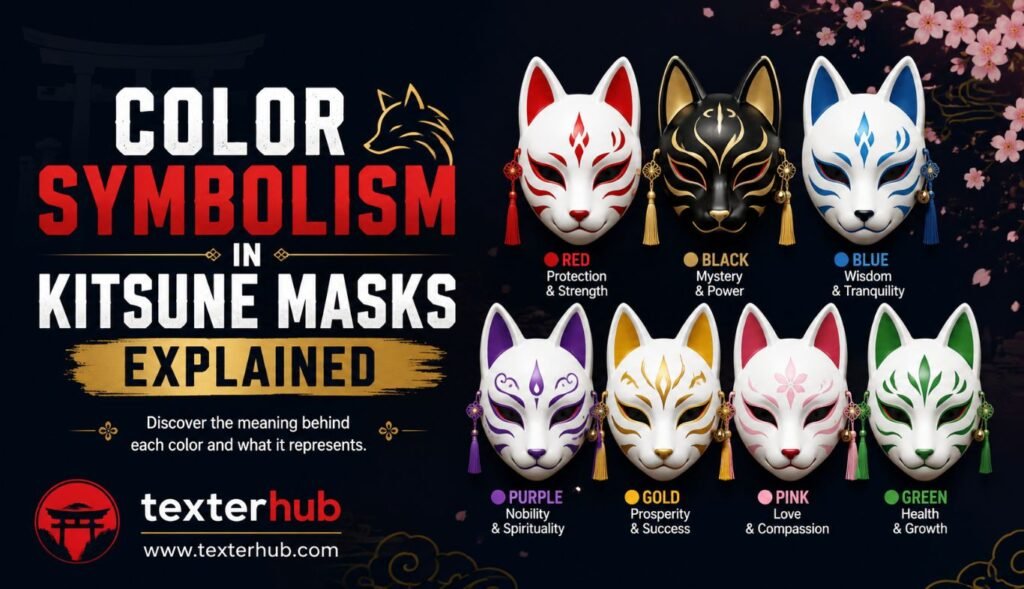
A kitsune mask looks simple at first glance. Pointed ears, a long snout, painted whiskers, sometimes a smear of red across the cheeks. But anyone who has spent time in Kyoto during a shrine festival, or scrolled through a shop selling traditional kitsune mask designs, notices something quickly: no two masks are painted the same way. Color Symbolism in Kitsune Masks Explained The kitsune mask colors shift from pure white to deep black, from gold leaf to soft pink, and each shift carries weight in Japanese folklore.
This article walks through the kitsune mask meaning behind every major color, how those meanings connect to Shinto symbolism and the worship of Inari Ōkami, and why a mask bought for a costume party might mean something very different from one used in a shrine ritual. Color Symbolism in Kitsune Masks Explained Along the way we will look at kitsune mythology, the role of the Inari messenger fox, and how Japanese festival masks evolved into the anime fox mask style so many people recognize today.
What Is a Kitsune Mask
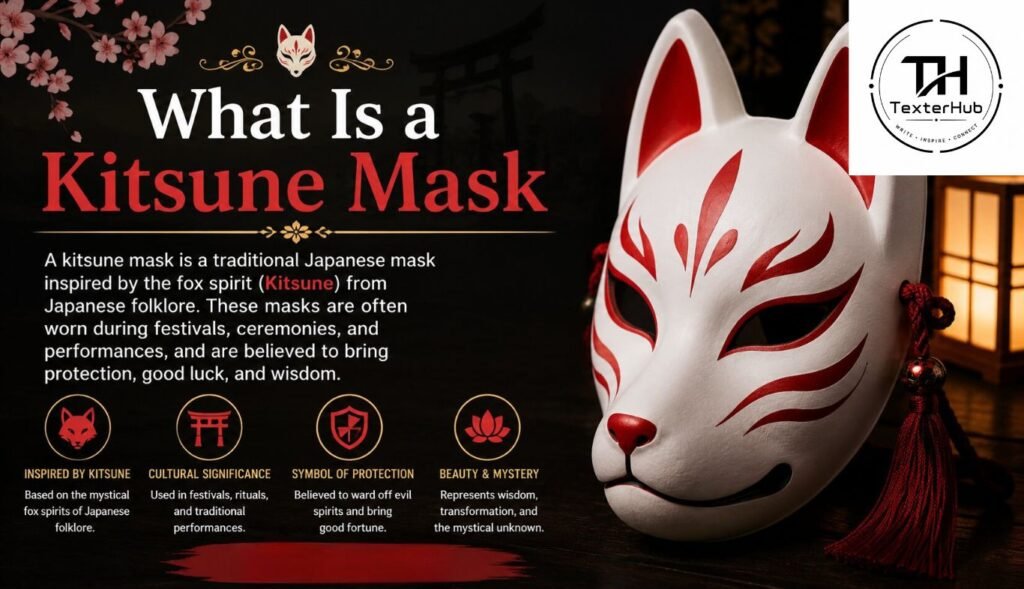
The word kitsune (狐) simply means fox in Japanese. A kitsune mask symbolism discussion has to start here, because the mask itself is not the spirit. Color Symbolism in Kitsune Masks Explained It is a representation, a stand-in worn by dancers, shrine visitors, and performers to invoke the presence of the fox spirit without claiming to be one.
In most cases the mask covers only the upper half of the face, leaving the mouth free for speaking or eating at a festival stall. Color Symbolism in Kitsune Masks Explained This half-mask style is common at shrine events and differs from full Noh masks used in classical theater. Color Symbolism in Kitsune Masks Explained The design has stayed remarkably consistent for centuries.
Because the fox mask meaning depends heavily on setting, the same white mask worn at a religious procession and worn at a Halloween party is not communicating the same thing. Color Symbolism in Kitsune Masks Explained Context decides whether the mask is spiritual, theatrical, or purely decorative.
Kitsune in Japanese Folklore and Mythology
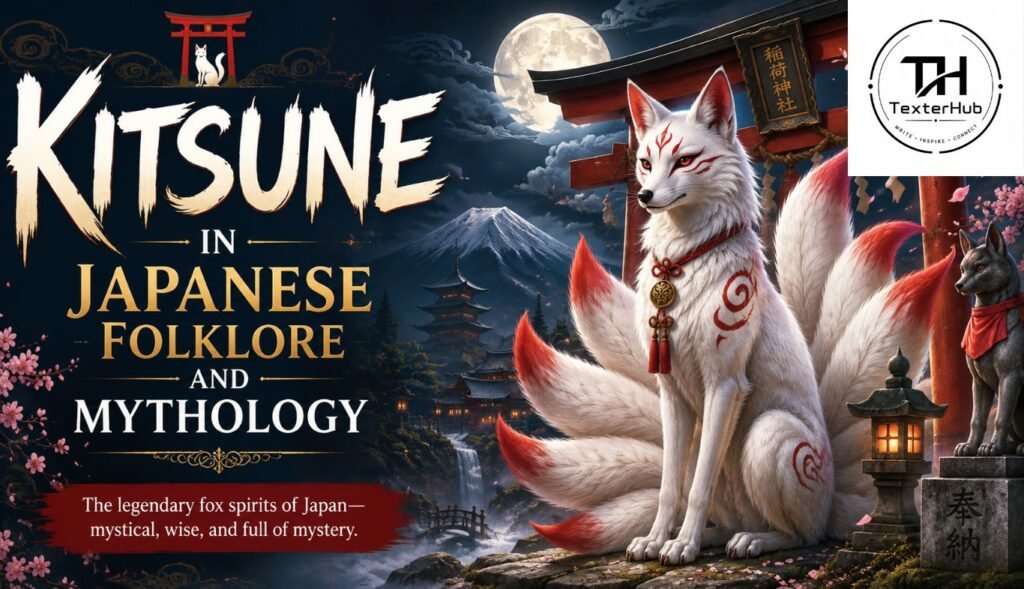
Foxes hold a strange dual reputation across Japanese legends. In some stories they are loyal guardians who repay kindness for generations. Color Symbolism in Kitsune Masks Explained In others they are tricksters who lead travelers astray with illusions and foxfire. This tension is at the center of kitsune mythology, and it explains why the mask itself carries so many possible readings.
Older tales describe foxes gaining extra tails and magical strength as they age, eventually mastering the ability to take human shape. Color Symbolism in Kitsune Masks Explained A fox that lives long enough and accumulates enough spiritual energy is said to develop fox spirit symbolism far beyond an ordinary animal, gaining the power to shapeshift convincingly into human form.
These stories were not confined to isolated villages. Color Symbolism in Kitsune Masks Explained Fox tales spread through oral tradition, Edo-period woodblock prints, and later through Japanese yokai legends collections compiled by folklorists. The fox became one of the most consistently referenced creatures in the country’s supernatural canon.
Zenko and Yako: Two Sides of the Fox Spirit
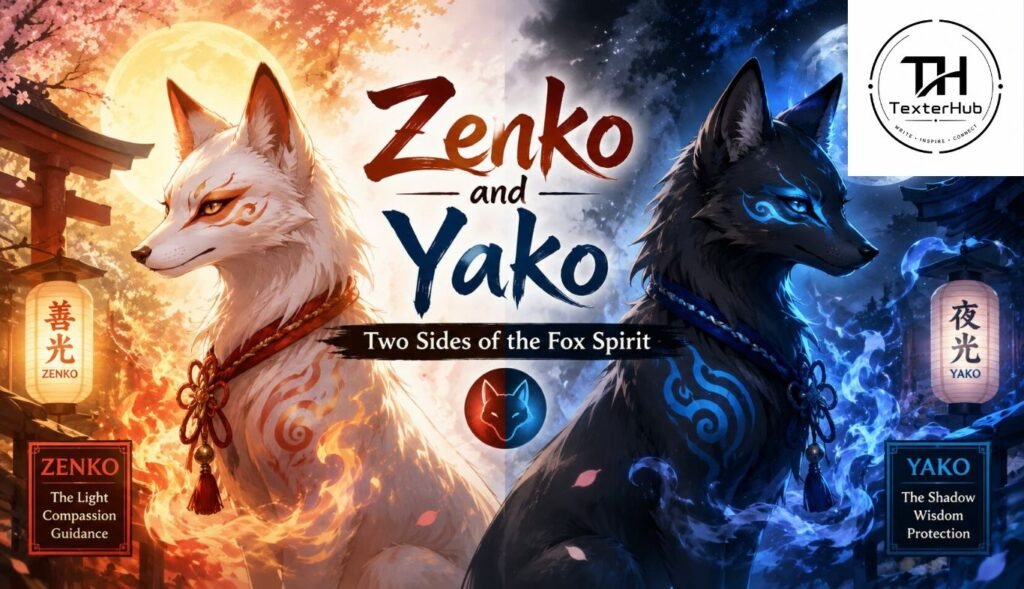
Folklore generally splits kitsune into two broad categories. Color Symbolism in Kitsune Masks Explained Zenko, meaning good fox, refers to benevolent spirits tied to Inari fox worship and protective roles. Yako, sometimes translated as field fox or wild fox, refers to the mischievous or dangerous type that plays pranks on humans.
This division matters directly for mask design. Color Symbolism in Kitsune Masks Explained A sacred fox in Japan context, tied to zenko imagery, tends to use lighter colors and cleaner lines. A yako-inspired mask, built around mischief and unpredictability, often leans toward darker tones or exaggerated expressions.
Collectors sometimes assume a dark mask automatically represents something evil. That reading misses the nuance built into the folklore. Color Symbolism in Kitsune Masks Explained Yako foxes are troublesome, not inherently malicious, and their masks reflect complexity rather than pure villainy.
Inari Ōkami and the Sacred Fox Messenger
No conversation about kitsune mask symbolism is complete without addressing Inari. Inari Ōkami is the Shinto deity of rice, agriculture, prosperity, and business success. Color Symbolism in Kitsune Masks Explained The fox is not the deity itself, a distinction many casual visitors miss when they encounter fox statues at a shrine.
Instead, the fox serves as the Inari messenger fox, an intermediary carrying prayers and offerings between the human world and the divine. Color Symbolism in Kitsune Masks Explained This is why stone fox statues, called kitsune-zō, sit at the entrance of Inari shrines holding a key, a jewel, a scroll, or a sheaf of rice in their mouths.
Fushimi Inari Taisha in Kyoto, founded in the early eighth century, remains the head shrine of Inari worship in Japan. The Japan National Tourism Organization has noted that there are roughly 30,000 Inari shrines spread across the country, with around 10,000 torii gates lining the paths up Mount Inari alone.
Inari Shrine Traditions and the Role of the Fox
Visiting an Inari shrine today, you will typically find paired fox statues flanking the main hall, much like the paired lion-dogs at other Shinto shrines. Color Symbolism in Kitsune Masks Explained These figures reinforce the Inari messenger fox role rather than depicting Inari personally.
Japanese shrine traditions often include offerings of fried tofu, called aburaage, left at fox statues because foxes are believed to favor it. Color Symbolism in Kitsune Masks Explained This custom even lends its name to inari-zushi, a rice dish wrapped in fried tofu pouches sold across the country.
During annual festivals tied to the shrine calendar, worshippers may wear fox-themed items, including masks, as a gesture of respect toward the messenger spirit. Color Symbolism in Kitsune Masks Explained This practice bridges Shinto fox symbolism with the lighter, celebratory atmosphere of a community festival.
Sacred Fox Imagery Beyond the Shrine
The sacred fox in Japanese culture extends well past Inari worship into folk religion, rural superstition, and regional festivals unrelated to any specific shrine. Color Symbolism in Kitsune Masks Explained Farmers in some regions historically credited fox spirits with protecting rice harvests from pests and drought.
Household shrines dedicated to fox spirits, sometimes separate from formal Inari worship, appeared in various regions as families sought protection or good fortune. Color Symbolism in Kitsune Masks Explained This grassroots layer of belief sits alongside, and sometimes overlaps with, official shrine practice.
Understanding this wider network of belief helps explain why Japanese spiritual beliefs around foxes are not monolithic. Color Symbolism in Kitsune Masks Explained A mask maker in Kyoto and a festival organizer in a rural prefecture may be drawing on slightly different threads of the same tradition.
The Nine-Tailed Fox and Its Symbolism
Few images from Japanese folklore travel as far internationally as the nine-tailed fox, known as kyūbi no kitsune. According to legend, a fox gains an additional tail roughly every hundred years as its spiritual power grows, with nine tails marking the peak of that development.
At full power, these foxes are often described with white or golden fur, a detail that reinforces the link between advanced spiritual status and lighter coloring. Color Symbolism in Kitsune Masks Explained This is one reason white kitsune mask meaning and gold kitsune mask meaning so often overlap in casual descriptions.
A nine-tailed fox in these tales is rarely simple. Color Symbolism in Kitsune Masks Explained Some versions portray total wisdom and benevolent guardianship, while others, most famously the legendary Tamamo-no-Mae, describe a nine-tailed fox using beauty and cunning to manipulate an emperor’s court, showing how far the same core symbol can stretch.
History of the Kitsune Mask in Performance
Masks have a long working history on the Japanese stage. Color Symbolism in Kitsune Masks Explained Noh theater, developed in the fourteenth century, uses carved wooden masks to represent spirits, demons, and animal characters, including fox roles in plays built around themes of transformation and deception.
Kabuki theater, which developed later and leans toward more dramatic, exaggerated performance, adopted its own approach to fox characters, often through costume and stylized movement rather than a fixed mask alone. Color Symbolism in Kitsune Masks Explained Both traditions contributed to the visual vocabulary later mask makers drew from.
These Japanese mask traditions treated the fox as a character capable of carrying real dramatic tension. Color Symbolism in Kitsune Masks Explained A performer wearing a fox mask on a Noh stage was not simply decorating a costume; the mask changed how the audience read every gesture that followed.
Kitsune Masks in Matsuri and Festival Culture
Matsuri masks brought the kitsune out of the theater and into the street. Color Symbolism in Kitsune Masks Explained At community festivals, particularly those connected to Inari worship, vendors sell simple painted fox masks to children and adults alike, usually made from thin, lightweight material rather than carved wood.
The Fushimi Inari Taisha festival calendar includes events where visitors wear these masks as part of the celebration, blending genuine reverence with festival fun. Color Symbolism in Kitsune Masks Explained This is a good example of how a single object can carry both spiritual weight and lighthearted, communal enjoyment at the same time.
Japanese festival masks of this type are usually white with painted red or black details, echoing the same color logic found in shrine statues. Color Symbolism in Kitsune Masks Explained Even in a casual festival setting, the color choices are rarely arbitrary; they still borrow from older symbolic patterns.
Why Mask Color Matters So Much
Before breaking down each individual shade, it helps to understand why color carries so much weight in this tradition at all. Color Symbolism in Kitsune Masks Explained Symbolic mask colors are not a modern marketing invention layered onto an old object; the practice has roots in how color functioned across Japanese art broadly.
In traditional Japanese aesthetics, color often stood in for a season, a mood, a social rank, or a spiritual state rather than functioning as pure decoration. Color Symbolism in Kitsune Masks Explained A mask maker choosing gold over plain wood was making a statement about status or divinity, not just following a trend.
That framework carried directly into kitsune mask colors. Color Symbolism in Kitsune Masks Explained A buyer today choosing between a white mask and a black one is participating, whether they realize it or not, in a much older visual language, one where mask color meanings were meant to be read at a glance.
White Kitsune Mask Meaning
The white kitsune mask symbolism is the most recognizable of the bunch, and for good reason. Color Symbolism in Kitsune Masks Explained White is tied directly to zenko foxes, the benevolent spirits associated with Inari, and to spiritual purity more broadly across Shinto practice.
A white kitsune mask meaning typically points toward clarity, divine connection, and a positive, protective presence. This is the color most often seen at shrine festivals, since it aligns cleanly with the Inari messenger fox role rather than the trickster side of fox lore.
Many white masks are not left completely plain. Color Symbolism in Kitsune Masks Explained Red or gold accents around the eyes and cheeks are common, reinforcing prosperity or ceremonial status without pulling the overall tone away from purity. This layered approach shows up across traditional Japanese fox masks sold near shrine grounds.
Red Kitsune Mask Meaning
Red carries some of the richest symbolism of red in Japanese culture generally, well beyond fox masks specifically. It appears on torii gates, shrine buildings, and ceremonial items, almost always tied to protection, vitality, and warding off misfortune.
The red kitsune mask meaning, then, leans toward protection and connection to Inari’s role over agriculture and prosperity. Color Symbolism in Kitsune Masks Explained A fully red mask, or a white mask with heavy red detailing, is frequently read as an invocation of good fortune tied to harvest and fertility themes.
This is part of why the protective meaning of red masks shows up so often in discussions of shrine culture specifically. Color Symbolism in Kitsune Masks Explained Red is rarely treated as aggressive or violent in this context; instead it signals active, energetic protection rather than passive purity.
Black Kitsune Mask Meaning
Black kitsune mask symbolism tends to unsettle people who assume a dark mask must represent something sinister. Color Symbolism in Kitsune Masks Explained In reality, black more often signals mystery, hidden knowledge, or the wilder, less predictable yako side of fox folklore rather than outright evil.
A black kitsune mask meaning frequently connects to the trickster archetype, the fox that plays pranks, tests human character, or moves between the visible and invisible world. Color Symbolism in Kitsune Masks Explained This ties into broader mystery symbolism in black masks across Japanese theatrical tradition as well.
Collectors and performers sometimes choose black specifically to lean into the theatrical, folkloric side of the fox rather than its religious role. Color Symbolism in Kitsune Masks Explained It is less common at shrine events and more common in stage performance, art pieces, and modern collectible design.
Gold Kitsune Mask Meaning
Gold sits at the top of the color hierarchy in most discussions of kitsune mask colors. Color Symbolism in Kitsune Masks Explained It signals status, divine rank, and material prosperity, drawing on the same associations gold has held across Japanese art for centuries, from lacquerware to shrine ornamentation.
The gold kitsune mask meaning links closely to the nine-tailed fox legend, where advanced spiritual power is sometimes described through golden fur. Color Symbolism in Kitsune Masks Explained A mask finished in gold, or accented heavily with gold leaf detailing, is generally read as representing an elevated, powerful spirit rather than an ordinary one.
This lines up with the broader idea of prosperity symbolism in gold masks found in shrine gift shops and festival vendors, where gold accents are marketed toward buyers hoping for business success or good fortune, mirroring Inari’s core domain over agricultural and commercial prosperity.
Blue Kitsune Mask Meaning
Blue is less common than white, red, black, or gold, but it appears often enough to warrant its own discussion. Color Symbolism in Kitsune Masks Explained The blue kitsune mask meaning is generally grouped near white in tone, tied to calm, flowing energy and a connection to water rather than fire or earth.
This aligns with the broader idea of wisdom symbolism in blue masks, since calm and clarity are often treated as companions in Japanese color symbolism. Color Symbolism in Kitsune Masks Explained A blue-toned fox mask can suggest a spirit connected to rivers, rain, or seasonal change rather than the harvest-focused red or gold varieties.
Some modern mask makers use blue specifically to differentiate a piece from the more traditional white-red-gold palette, giving buyers a design that still respects the folklore while standing out visually on a shelf or at a convention booth.
Pink Kitsune Mask Meaning
Pink is a newer addition to the palette, driven largely by modern design trends rather than centuries-old temple practice. Color Symbolism in Kitsune Masks Explained Still, the pink kitsune mask meaning draws loosely on white’s association with purity, softened into something gentler, often read as youthful or affectionate rather than formally spiritual.
You will see pink far more often in anime-inspired kitsune masks and cosplay accessories than in shrine settings. It signals approachability and charm, fitting characters written as playful, romantic, or youthful rather than ancient or divine.
This does not make a pink mask meaningless within the tradition. Color Symbolism in Kitsune Masks Explained It simply places it closer to the decorative, pop-culture branch of kitsune folklore explained for modern audiences rather than the older ceremonial branch tied directly to Inari worship.
Purple Kitsune Mask Symbolism
Purple has historically been associated with nobility and rarity across Japanese court culture, since certain purple dyes were once difficult and expensive to produce and were reserved for high-ranking figures. Color Symbolism in Kitsune Masks Explained That history bleeds into purple kitsune mask symbolism today.
A purple-toned fox mask often suggests elevated status, mystery with a refined edge, or a spirit associated with elegance rather than simple mischief. Color Symbolism in Kitsune Masks Explained It sits somewhere between gold’s prosperity and black’s mystery, borrowing a bit from each without fully matching either.
Purple remains rarer than the core colors in traditional settings, which is part of why it stands out so much in modern collectible and cosplay markets, where uncommon color choices are often prized for their distinctiveness.
Silver Kitsune Mask Symbolism
Silver functions as a quieter cousin to gold within kitsune mask colors. Color Symbolism in Kitsune Masks Explained Where gold signals warmth, prosperity, and active divine favor, silver leans toward a cooler, more restrained kind of spiritual refinement, often associated with the moon rather than the sun.
A silver kitsune mask is frequently chosen by collectors and performers looking for an elegant alternative to the more common white or gold designs, one that still nods toward high spiritual status without repeating the most obvious color choice.
Because silver is less rooted in centuries-old shrine tradition than white, red, or gold, it appears more often as a contemporary design decision, popular in cosplay and art pieces rather than in items sold specifically for shrine festivals.
How Mask Makers Combine Colors
In practice, very few masks stick to a single flat color. Color Symbolism in Kitsune Masks Explained A traditional kitsune mask almost always layers a base tone with accent details, and those combinations shift the overall reading in subtle ways worth understanding.
A white base with red accents leans toward protection layered onto purity, a common combination at shrine events. Color Symbolism in Kitsune Masks Explained A black base with gold detailing leans toward a powerful, mysterious spirit rather than a purely mischievous one, since the gold softens the darker read.
Mask makers rarely explain these combinations outright, which is part of why buyers benefit from understanding meanings behind kitsune masks before purchasing. Color Symbolism in Kitsune Masks Explained A design that looks purely decorative to an untrained eye is often built on a deliberate, layered symbolic choice.
Choosing a Mask Color for Your Purpose
Anyone shopping for a mask, whether for a shrine visit, a costume, or a collection, benefits from matching the color to the intended purpose rather than picking on looks alone. Color Symbolism in Kitsune Masks Explained White or red suits someone seeking a respectful, spiritually aligned piece tied to Inari worship.
Black suits someone drawn to the trickster, theatrical side of fox spirit legends, useful for stage performance or a costume built around mystery rather than reverence. Color Symbolism in Kitsune Masks Explained Gold or silver suits a buyer wanting to emphasize status, prosperity, or an elevated, near-divine character.
It is worth noting that a dark, edgy mask can feel out of place at a genuinely religious event, just as a plain white mask might feel underwhelming for a bold theatrical costume. Color Symbolism in Kitsune Masks Explained Matching intention to color avoids that mismatch.
Kitsune Masks in Anime and Modern Pop Culture
The rise of anime and manga carried the fox mask far beyond Japan’s borders. Color Symbolism in Kitsune Masks Explained An anime fox mask often exaggerates traditional features, sharper ears, bolder color contrast, sometimes glowing eye markings, turning a folk object into a stylized character accessory.
Characters built around fox spirits frequently borrow the same white-red-black-gold palette discussed above, even if the writers never explain the symbolism directly. Color Symbolism in Kitsune Masks Explained Longtime fans of Japanese folklore often recognize these color choices as intentional nods to the older tradition.
This crossover has fed directly into the kitsune cosplay mask market, where fans recreate specific character designs using the same color logic, sometimes without realizing they are echoing centuries-old shrine symbolism through a completely modern lens.
A Practical Guide to Kitsune Cosplay Masks
For anyone building a costume around a fox spirit character, a cosplay kitsune mask guide usually starts with identifying the character’s personality before choosing color. A gentle, wise character points toward white or gold; a chaotic or villainous one points toward black or deep red.
Material choice matters almost as much as color for cosplay purposes. Lightweight resin or paper-mâché masks mimic the traditional festival style, while more rigid, detailed builds suit characters drawn with sharper, more angular features common in anime design.
Respecting the source material’s color logic, even loosely, tends to produce a more convincing costume than picking colors purely for visual pop. Fans who understand the underlying kitsune mask meaning often notice, and appreciate, when a costume gets the details right.
Fun Facts About Kitsune and Their Masks
Foxes appear in some of Japan’s oldest recorded literature, with fox-related tales showing up in classical collections centuries before anime ever existed, showing just how long this figure has held cultural weight.
The dish inari-zushi takes its name directly from the belief that foxes favor fried tofu, a small but telling example of how deeply fox folklore is woven into everyday Japanese life rather than staying confined to shrines or theater stages.
Fushimi Inari Taisha’s thousands of vermilion torii gates, one of the most photographed sites in Japan, exist because individuals and businesses historically donated them as thanks for answered prayers, a tradition still active today.
The number of tails a fox carries in folklore is often treated as a marker of age and wisdom rather than raw power alone, with some tales describing centuries of patient growth before a fox reaches its full nine-tailed form.
Japan’s fox lore has parallels in Chinese and Korean folklore as well, where fox spirits also appear as shapeshifters, though each tradition developed its own distinct rules, symbolism, and relationship to local deities.
Kitsune Mask Etiquette and Care
Anyone bringing a mask to an actual shrine event benefits from a little awareness of Japanese shrine traditions around respect and behavior. Masks are generally worn casually during festivals but should be removed before entering the main hall or approaching the altar directly.
Caring for a physical mask, especially a hand-painted paper or resin piece, usually means keeping it away from direct sunlight and moisture, since both can fade painted details or warp lightweight material over time.
Collectors who display masks at home sometimes choose placement carefully, avoiding positioning a mask directly facing a bed or main entrance, following general folk customs around respectful placement of symbolic objects, even outside strict religious practice.
Common Misconceptions About Kitsune Mask Colors
One frequent misunderstanding treats every fox mask as automatically representing Inari directly. As discussed earlier, the fox is Inari’s sacred animal symbolism in Japan, a messenger, not the deity itself, and conflating the two misses an important distinction in Shinto fox symbolism.
Another common assumption treats black masks as inherently evil, ignoring the more nuanced yako tradition of mischief without true malice. A third misconception assumes color meaning is fixed and universal, when in practice regional shrines and individual artisans sometimes apply their own local variations.
Approaching kitsune mask cultural significance with some flexibility, rather than treating every color as a locked-in rulebook, produces a more accurate understanding of how this tradition actually works across different regions and eras of Japanese history.
The Broader Place of Kitsune in Japanese Cultural Heritage
Stepping back from color specifics, the kitsune occupies a unique spot within Japanese cultural heritage, bridging formal Shinto religious practice, rural folk belief, classical theater, and thoroughly modern entertainment without fully belonging to any single one of those categories.
This flexibility is likely part of why the image has traveled so well internationally. A figure that can represent divine messenger, clever trickster, loyal protector, or dangerous shapeshifter offers far more creative range than a symbol locked into one fixed meaning.
Understanding traditional Japanese symbolism around the fox, rather than treating the mask as a generic costume piece, deepens appreciation for festivals, shrine visits, and even casual anime viewing, connecting a familiar modern image back to genuinely old cultural roots.
Kitsune Masks Compared to Other Japanese Masks
Japan has a long tradition of masked performance and ritual objects that goes well beyond the fox. Oni masks, representing ogres and demons, tend to use red or blue skin tones paired with exaggerated fangs, built to frighten rather than to charm. Tengu masks, representing mountain spirits, use a long nose and a fierce, proud expression tied to protection of sacred mountain sites.
Placed next to these, the kitsune mask meaning stands out for its relative gentleness. Even the darker, mischievous versions rarely aim for outright horror the way an oni mask does. This softer tone reflects the fox’s dual role as both trickster and sacred messenger, rather than a purely fearsome guardian figure.
Lion-dog masks, used in shishimai lion dances performed at New Year celebrations, share the protective function found in fox statues at shrine entrances, but draw on a completely different set of color rules, usually red, gold, and white in bold, blocky patterns rather than the finer detail typical of fox designs.
Comparing these traditions side by side helps clarify why Japanese mask traditions treat color as functional information rather than pure decoration. Each mask type developed its own internal color logic, shaped by the specific spirit or role it represents, and the kitsune’s palette reflects its particular blend of reverence and playfulness.
The Wider Language of Color in Japanese Culture
To fully appreciate symbolism of colors in Japanese culture, it helps to look past masks entirely for a moment. White has long carried associations with purity and the sacred across Shinto practice, appearing in the plain wood of shrine buildings and the white robes worn by priests during formal ritual.
Red appears constantly at torii gates, shrine gates, and lacquerware, tied to life force, protection, and warding off misfortune rather than danger or aggression, a very different association than red often carries in some other cultural contexts. Black, by contrast, often signals formality, dignity, and depth, seen in formal kimono and certain ceremonial garments rather than exclusively negative connotations.
Gold has functioned as a marker of imperial and religious status for centuries, appearing on temple rooftops, folding screens, and ceremonial items reserved for the wealthy or powerful. This broader color vocabulary did not develop specifically for fox masks; instead, mask makers borrowed from a system of meaning that already existed across Japanese art and ritual life.
Recognizing this wider context helps explain why the color choices on a kitsune mask feel consistent with so much else in Japanese visual culture. A traditional kitsune mask is not inventing new symbolism from scratch; it is applying an existing, well-established color grammar to one particular spirit.
Regional Variations in Kitsune Festivals
While Fushimi Inari Taisha remains the most famous center of fox worship, regional festivals across Japan bring their own local flavor to fox symbolism. Some northern regions incorporate fox imagery into winter harvest festivals, tying the spirit to seasonal survival rather than the rice-focused symbolism more common in central Japan.
Certain rural communities maintain smaller, lesser known Inari shrines with their own specific fox statue styles and mask traditions, sometimes differing slightly in color emphasis from what a visitor might expect based on Kyoto’s more famous imagery. These local variations are part of what keeps the tradition alive rather than frozen in a single fixed form.
Festival organizers in different prefectures sometimes design their own Japanese festival masks for children’s events, often simplifying the color palette to two or three tones for ease of mass production, while still keeping the recognizable white base and red or black detailing intact.
This regional diversity is worth keeping in mind for anyone treating kitsune folklore explained as a single unified rulebook. The core symbolism holds steady across most of Japan, but the specific execution can shift meaningfully from one community’s festival to another’s.
Kitsune Masks as Collectible Art
Beyond festivals and cosplay, kitsune masks have become a recognized category of collectible Japanese folk art. Skilled artisans working in washi paper, lacquer, and ceramic produce museum-quality pieces that go well beyond the simple painted paper masks sold at festival stalls.
Serious collectors often look for hand-painted detail work, natural pigment use, and traditional construction methods when evaluating a piece, treating color choice as one factor among several rather than the only consideration. A well-made mask in any color, from white to black to gold, can hold real artistic value.
This collector’s market has helped keep smaller regional workshops in business, preserving techniques that might otherwise fade as mass-produced festival masks dominate casual sales. Anyone drawn to traditional Japanese fox masks as more than a costume piece can usually find specialty shops near major shrines offering these higher-tier pieces.
Buying an Authentic Kitsune Mask
Shoppers looking for a genuinely well-made piece rather than a quick festival souvenir tend to have better luck near major shrine towns, where small workshops still hand-paint masks using traditional methods passed down through generations of local artisans.
Markets around Kyoto and Kyoto’s surrounding Inari-related sites often carry a range from inexpensive paper festival masks to higher-end lacquered pieces, giving buyers room to choose based on budget and intended use rather than settling for whatever design happens to be available.
Online retailers specializing in Japanese folk art and shrine goods have also made it easier to find pieces shipped internationally, though buyers should look for sellers who specify materials and construction methods clearly, since quality varies widely between mass-produced novelty items and genuinely handcrafted work.
Whatever the source, checking that the color and detailing match the intended purpose, whether that is respectful festival wear, a cosplay build, or a shelf-worthy collectible, helps ensure the final piece actually communicates what the buyer hopes it will.
Final Thoughts
A kitsune mask carries more history in its paint than most casual buyers realize. White speaks to purity and Inari’s benevolent messengers, red speaks to protection and harvest blessings, black speaks to mystery and the wilder trickster spirit, and gold speaks to prosperity and elevated spiritual rank, with blue, pink, purple, and silver filling in quieter, more specific notes across the same tradition.
Whether the goal is a respectful shrine visit, a well-researched cosplay build, or simply a deeper appreciation for Japanese mythology explained through everyday objects, understanding color symbolism in kitsune masks explained here gives that painted fox face a lot more meaning than a passing festival souvenir usually gets credit for. The next time a fox mask catches your eye at a market stall, a convention floor, or a shrine gift shop, it is worth pausing for a moment to consider what that particular color combination is quietly saying, long before you ever put it on.
FAQs
What colors are associated with Kitsunes?
Kitsunes are most commonly linked with white, red, and gold, representing purity, protection, wisdom, and divine power in Japanese folklore.
What are the colors of Kitsune masks?
Traditional Kitsune masks are usually white with red accents, while black, gold, and colorful designs are often used in modern artistic interpretations.
What do Kitsune masks symbolize?
Kitsune masks symbolize intelligence, protection, transformation, good fortune, and a connection to the fox spirits of Japanese mythology.
What do the colors of Japanese masks mean?
Mask colors often carry symbolic meanings: white represents purity, red symbolizes strength and protection, black signifies mystery or power, and gold reflects prosperity and divinity.
What is the difference between Oni mask and Kitsune mask?
An Oni mask represents powerful demons or evil spirits, while a Kitsune mask represents fox spirits known for their wisdom, magic, and shapeshifting abilities.
What are the 4 Japanese colors?
Four traditional Japanese colors often highlighted are red (aka), white (shiro), black (kuro), and blue (ao), each carrying deep cultural and symbolic significance.